
Researched & checked — 30 Oct 2026
New York City in 3 Days: A First-Timer's Itinerary That Groups the City Properly
NEW Published 30 October 2026
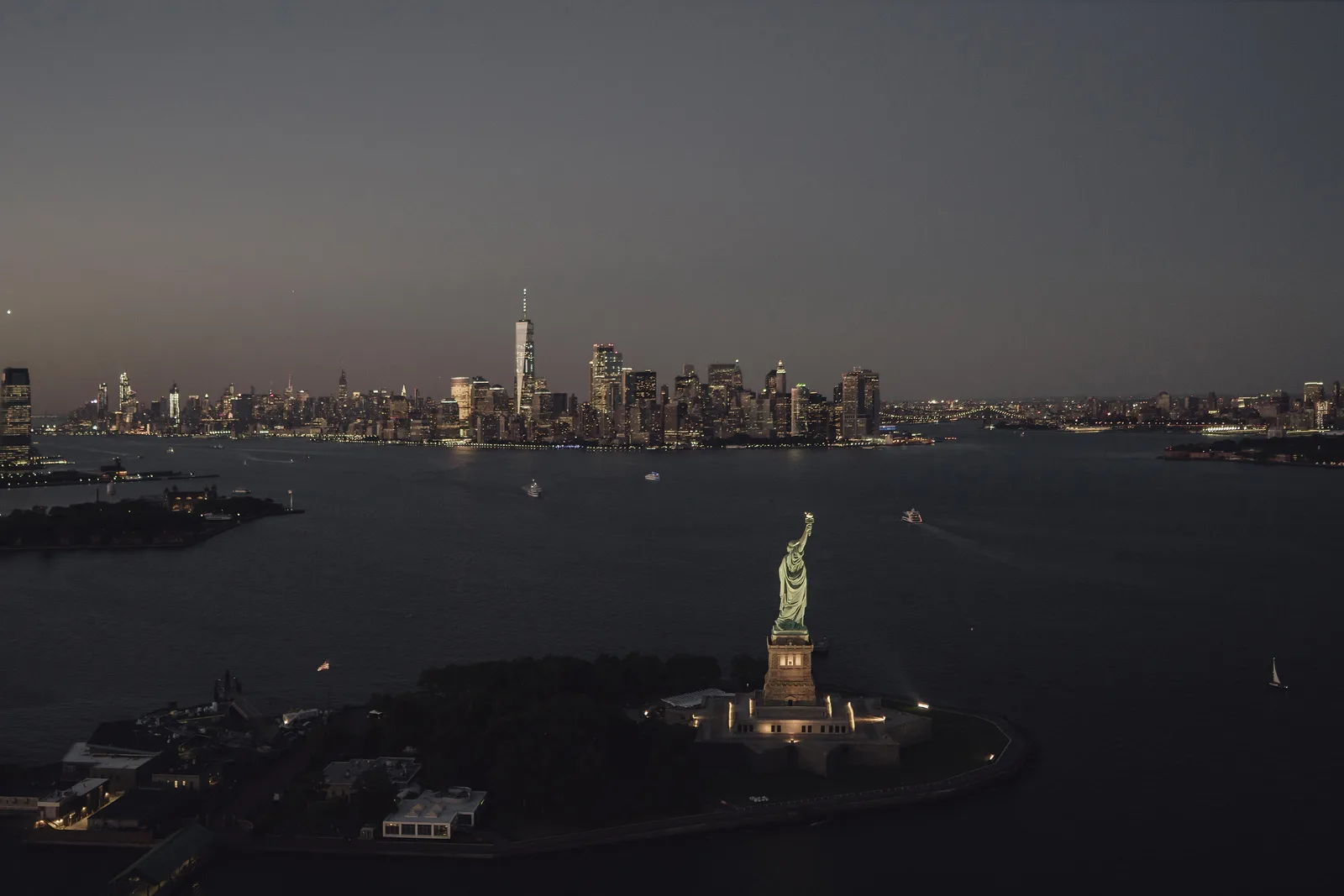
Three days in New York planned the way the city is actually laid out — Midtown's landmarks on day one, the harbour islands and Lower Manhattan on day two, Central Park and one great museum on day three — with the ticket mechanics and prices that decide whether each day works.
Day 1 — Midtown: Times Square, Fifth Avenue and St Patrick's Cathedral, Rockefeller Center, Grand Central Terminal, and an observation deck at sunset. Day 2 — the harbour: the first Statue of Liberty ferry you can get, Ellis Island on the way back, then the 9/11 Memorial and Museum, Wall Street, and the Brooklyn Bridge at golden hour. Day 3 — Central Park in the morning, one major museum in the afternoon, and an evening left deliberately unplanned. Two bookings shape everything: Statue of Liberty pedestal or crown tickets sell out weeks to months ahead, and almost nothing in this itinerary needs a tour company — you can book every ticket direct.
SECTION 01How Is This 3-Day New York Itinerary Laid Out?
Manhattan runs south to north, and this plan follows it in three bands. Day 1 stays in Midtown, roughly between 42nd and 59th Streets. Day 2 drops to the island's southern tip for the harbour and the oldest part of the city. Day 3 moves up to Central Park and the museum rows along its edges. Within each day you mostly walk; between the clusters you ride the subway.
The subway is simpler than its map suggests. Since January 2026 the MTA's base fare is $3 a ride, paid by tapping a contactless bank card, phone or OMNY card at the turnstile — the old MetroCard is being retired. Tap the same card or device every time: the MTA's fare cap means that once you have paid for 12 rides in a seven-day period, the rest of that week's subway and local bus rides are free, so no visitor using the same payment method all week pays more than $35 for a week of rides. For a three-day trip, simply tap and go — the cap does the pass maths for you.
- Day 1 — Midtown: Times Square · Fifth Avenue · St Patrick's Cathedral · Rockefeller Center · Grand Central Terminal · observation deck at sunset
- Day 2 — Harbour and downtown: Statue of Liberty · Ellis Island · 9/11 Memorial & Museum · Wall Street · Brooklyn Bridge
- Day 3 — Park and museum: Central Park · one major museum · an unplanned evening
Left out, deliberately: Niagara Falls. It looks close on a map of the state and is not — the direct Amtrak trains from Penn Station take around nine and a half hours each way, so it needs its own overnight trip, not a day bolted onto this one. Our separate Niagara Falls guide plans that trip properly.
SECTION 02Day 1: Midtown — Times Square, Fifth Avenue and a Deck at Sunset
Start at Times Square early, before the crowds peak, and treat it as what it is: a spectacle to walk through, photograph and leave, not a place that needs an hour. From there, walk east along 42nd Street or up Fifth Avenue. St Patrick's Cathedral, the great Gothic cathedral across from Rockefeller Center, is free to enter outside service times and quietest in the morning.
Rockefeller Center and Fifth Avenue fill the middle of the day without any ticket at all — the plaza, the Channel Gardens, the department-store windows and the New York Public Library's main building on 42nd Street, whose reading rooms and exhibitions are free. End the sightseeing part of the day at Grand Central Terminal, a few blocks east: the main concourse is one of the great indoor spaces of the world, it costs nothing to stand in, and the whispering gallery outside the Oyster Bar is a genuine acoustic trick worth two minutes.
Save one paid ticket for the evening: an observation deck at sunset. Midtown gives you the choice of the Empire State Building, Top of the Rock at Rockefeller Center, SUMMIT One Vanderbilt and the Edge at Hudson Yards. All of them sell timed tickets, all charge variable prices that rise for the sunset hour, and the sunset slots sell out first — book on the deck's own website a few days ahead and treat any street-level reseller's price with suspicion. One honest way to choose: the Empire State Building is the icon you stand on; Top of the Rock is the deck that puts the Empire State Building in your photographs of the skyline.
SECTION 03Day 2: The Statue of Liberty, Ellis Island and the 9/11 Memorial
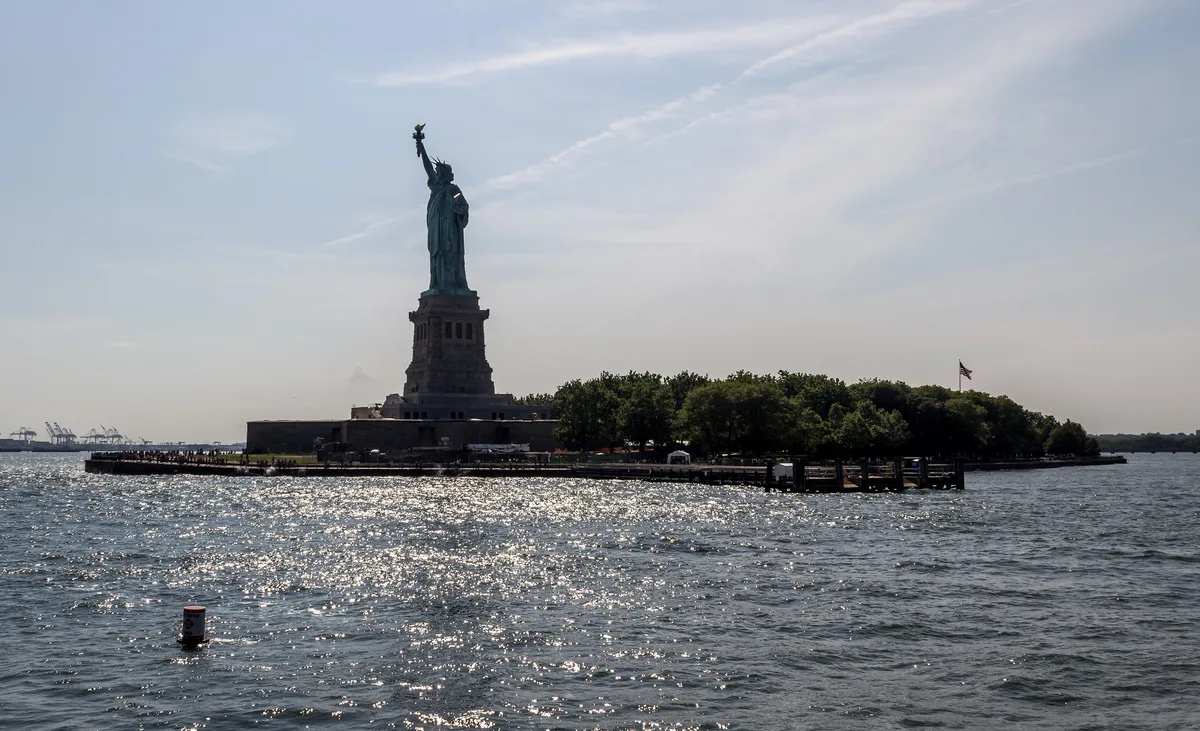
This is the day to start earliest, and the National Park Service's advice is blunt: to visit both islands in one day, take an early ferry. Ferries leave from The Battery, at Manhattan's southern tip. The single most important fact about the Statue of Liberty is about the ticket, not the statue: Statue City Cruises is the only authorised seller of tickets to Liberty and Ellis Islands, and the only ferry allowed to dock at them. The Park Service charges no entrance fee for the islands or their museums — what you pay for is the boat. Sellers who approach you on the street near the Battery are not selling the official ferry, however official their jackets look.
The ferry ticket includes both islands and entry to both museums — the Statue of Liberty Museum on Liberty Island and the Ellis Island National Museum of Immigration. Current prices on the Park Service's fees page are $26 for adults (13+), $17 for children aged 4–12 and $23 for seniors (62+), with children under 4 free. Two kinds of access sit on top of the ferry ticket. A pedestal ticket (a further 30 cents) takes you up to the top of the pedestal; a crown ticket (also 30 cents more) adds the climb inside the statue — 162 steps from the feet to the crown, with no elevator. Both are limited, sold online only, and gone long before the day: the Park Service notes crown reservations are usually made three to four months in advance. If pedestal and crown are sold out, the general admission ticket still lands you on both islands with both museums — most of the experience, honestly, is the islands themselves.
Two mechanics catch people out. The time printed on your ticket is the time to join the queue for airport-style security screening, not a ferry departure — and at peak times, in the Park Service's words, the wait can be an hour or more. And from New York the boats run Liberty Island first, then Ellis Island, then back to the Battery, so the natural order is statue in the morning, Ellis Island's immigration halls after, and back downtown by early afternoon.
A short walk from the Battery brings you to the day's second anchor. The 9/11 Memorial — the two reflecting pools set in the footprints of the Twin Towers, with the names of those killed — is free and open to the public every day from 8 a.m. to 8 p.m., with no ticket or reservation. The 9/11 Museum beside it is a separate, ticketed visit: admission runs $24–$36 depending on age, children aged 6 and under are free but still need a ticket, entry is timed and tickets should be bought in advance, and the museum is closed on Tuesdays. One genuine bargain: on Mondays the museum runs free admission from 5:30 to 7 p.m., with tickets released on the museum's website that Monday from 7 a.m. Eastern, first come, first served. Give the museum two hours if you go in; it is a heavy visit, and rushing it serves nobody.
Finish downtown with the free sights. Wall Street and the New York Stock Exchange facade are a five-minute walk, and then walk the Brooklyn Bridge from its Manhattan entrance near City Hall. The pedestrian walkway is free, the crossing is a little over a mile, and late afternoon gives you the skyline light photographers queue for — walk halfway, or cross into Brooklyn and ride the subway back.
SECTION 04Day 3: Central Park and One Great Museum
After two days of landmarks, day three changes pace. Central Park is free, enormous, and best in the morning: enter at the south end near Columbus Circle or Fifth Avenue and walk north through the Mall, past Bethesda Terrace and the Bow Bridge, as far as energy and the map allow. You will not see all of it, and that is fine — nobody does in a morning.
The park's edges hold the two museums most first-timers choose between. On the east side stands the Metropolitan Museum of Art, the largest art museum in the Americas; on the west, the American Museum of Natural History, dinosaurs and blue whale included. Pick one — doing both in an afternoon means doing neither properly. Both charge admission, both run timed or reserved entry in busy periods, and prices and free-entry schemes change: check the museum's own website when you book, the day before is soon enough. Allow three hours inside, decide your three must-see rooms before you enter, and let the rest be a reason to return.
Leave the evening empty on purpose. Three days of itineraries deserve a final night that follows appetite instead — a neighbourhood dinner in the West Village, the East Village or the Upper West Side, a Broadway show if you book ahead (official theatre sites and the box office first; the TKTS booth in Times Square sells same-day discounted seats for many productions), or simply the deck you did not choose on day one, seen after dark this time.
SECTION 05What Do the Paid Parts of This Itinerary Cost?
Much of New York's best is free: Central Park, the 9/11 Memorial plaza, Grand Central, the Public Library, the Brooklyn Bridge walkway and St Patrick's Cathedral charge nothing. The paid anchors of these three days, at the prices checked for this guide, are:
- Statue of Liberty and Ellis Island ferry: $26 per adult, $17 per child aged 4–12, $23 for seniors 62+; pedestal or crown access adds 30 cents. There is no separate Park Service entrance fee.
- 9/11 Museum: $24–$36 by age; the Memorial itself is free.
- Subway: $3 a ride, capped automatically at $35 in any seven days if you tap the same card or device — so a three-day trip cannot run away with you.
- One observation deck: the only big variable. Timed tickets with prices that move by date and hour; check the deck's own site and book the sunset slot early.
- One major museum on day 3: admission charged; confirm the current price on the museum's own website when you book.
Everything else in this itinerary — food, shows, shopping — is yours to scale. The sightseeing skeleton of New York, done this way, is one of the better-value big-city trips in the world.
SECTION 06What Mistakes Do First-Time Visitors Make?
Buying statue tickets from street sellers. Only Statue City Cruises sells the ferry that actually docks at the islands — the Park Service says so in terms. Everything else is a harbour cruise that sails past, however it is described at the kerb.
Leaving the harbour day too late. An afternoon ferry plus a security queue plus two islands plus a museum equals a rushed, shortened visit. The early ferry is the whole trick.
Treating the ticket time as a departure time. It is a security-queue time. Arrive for the time printed, then expect the queue the Park Service warns about at weekends, holidays and all summer.
Trying to add Niagara as a day trip. Around nine and a half hours on the train each way is not a day trip; it is two days of travel wrapped around an hour of waterfall. Give it its own overnight — our Niagara Falls guide shows how.
Changing payment cards at the turnstile. The $35 weekly cap only builds if the same card or device taps every ride. A family sharing one card should know only the first tap counts toward that card's cap.
How many days do you need in New York for a first visit?
Three days covers the essentials honestly — Midtown, the harbour islands and downtown, and Central Park with one museum — without turning the trip into a checklist race. A fourth day adds the second museum, a second deck or a proper Brooklyn day.
Do I need to book Statue of Liberty tickets in advance?
Yes for pedestal or crown access — those are limited, sold online only, and crown reservations are usually made three to four months ahead. General admission ferry tickets are more available but still worth buying ahead from Statue City Cruises, the only authorised seller.
Is the 9/11 Memorial free?
Yes. The outdoor Memorial, with the reflecting pools and names, is free and open daily from 8 a.m. to 8 p.m. with no reservation. The Museum next to it is ticketed, at $24–$36 depending on age, and is closed on Tuesdays.
How much is the New York subway in 2026?
$3 a ride since January 2026, paid by tapping a contactless card, phone or OMNY card. Using the same payment method, rides are capped at $35 in any seven-day period — after 12 paid rides, the rest of that week is free.
Can I do Niagara Falls as a day trip from New York City?
Not sensibly. The direct trains take around nine and a half hours each way, and driving is roughly six and a half to seven hours each way in good traffic. Stay a night at the Falls — our Niagara Falls (USA side) guide plans it.
Official references and checking status
The prices, hours and ticket rules in this guide were checked against the official pages below on 30 October 2026. Two honest limits: the observation decks and the day-3 museums set variable prices that change by date and hour, so this guide gives their booking mechanics rather than figures that would be wrong by the time you travel — check the venue's own site when you book; and train times towards Niagara are timetable information that changes by season, given here as approximate journey times only. Prices and rules change — re-check the relevant page below before you travel.
- National Park Service — Statue of Liberty National Monument: Plan Your Visit (ticket types, the only authorised seller, security queues)
- National Park Service — Statue of Liberty: Fees & Passes (ferry prices; no NPS entrance fee)
- MTA — Board adopts fare and toll increases (the $3 base fare and the $35 seven-day OMNY fare cap)
- 9/11 Memorial & Museum — Visit the Museum (admission $24–$36, timed tickets, free Memorial hours)
Photos in this guide: the Statue of Liberty and the Manhattan skyline at dusk by Sebastian Blume / Wikimedia Commons (CC BY-SA 4.0); the Statue of Liberty from the harbour by Dietmar Rabich / Wikimedia Commons (CC BY-SA 4.0). Both resized and converted for this page.
General information only. This guide is based on official sources publicly available and checked on the date shown on this page. Visa rules change, and consular and USCIS officers decide every case on its own facts — nothing here is a confirmation or a guarantee for your individual case, and this is not legal advice. Always confirm the current requirement on the official page linked in this guide before you act, and consider a qualified immigration attorney for your specific situation.